Mole Control Doncaster
Moles (Talpa europaea) can quickly spoil any grassed area by the moles prodigious tunnelling that results in spoil heaps being deposited on the surface. The moles are constructing these tunnels to search for earthworms and grubs that reside in the soil. They will patrol these tunnels on a regular basis (around every 4 hours) to consume any food item which has fallen into the tunnel. The small size and tremendous energy output of these incredible digging machines means that they require a relatively huge amount of food | Mole control Doncaster.
 Moles are mainly solitary creatures and their main preoccupation for most of the year is satisfying their appetite. However during the breeding season (Feb/March) the males go on the search for females, which in turn results in moles appearing in new areas. This can be gardens, paddocks, amenity fields, etc. As the females give birth (April/May/June), her requirement for food increases and so will her territory. As the young become independent and have to leave their mother to set up new territories, this also results in new areas being affected by mole damage.
Environmental factors are the main driver of mole activity. For example the Yorkshire floods have had a big impact on mole activity by moving the moles to higher ground and away from the rising water table. The reverse of this happens in periods of low rainfall during drier summers, where moles move to areas where soil moisture is retained. This is why lawns, where sprinklers are used, can be subject to mole activity because the irrigation of the lawn attracts worms.
At Kestrel we have been carrying out a lot of new mole control jobs in Doncaster area due to the recent floods. We use traditional trapping techniques to control moles as this is the only method that works. There are devices on the market that are meant to act as repellents but in my experience these are a waste of money and traps are the only method that provides a quick and effective means of control.
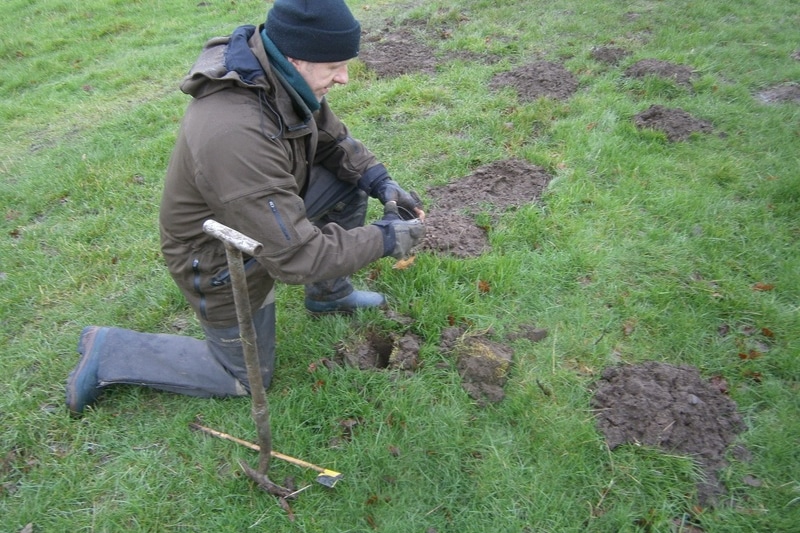
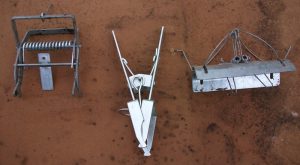 Mole trapping is a skill and can only be honed by years of experience. We attend many jobs where the householder has bought a few traps from their local DIY store only to find that it’s not a simple case of sticking a trap in the ground and hoping moles will jump in it. The skill is in determining how the moles are utilising the area and strategically laying traps to intercept them as they move around their territory. So for example laying the traps in tunnels where the moles are moving to their feeding sites rather than actually in their feeding sites will be more successful as the moles will be travelling more quickly.