Rats in the home
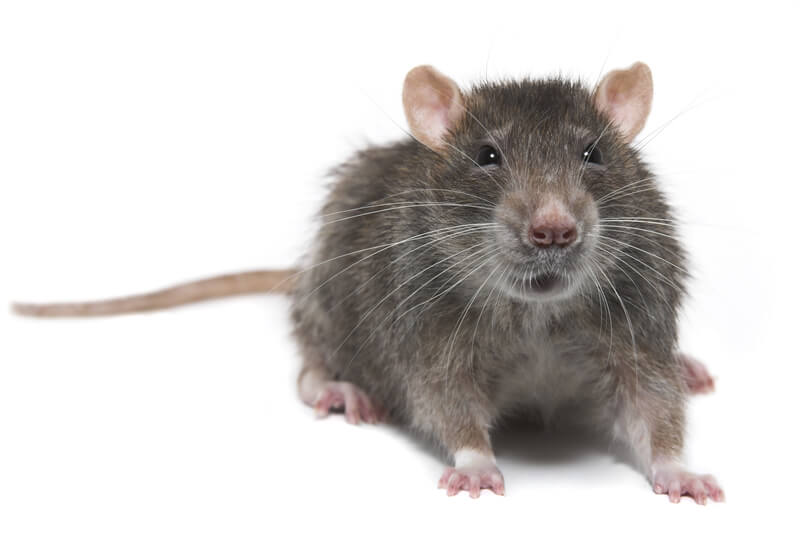
We carry out rat treatments throughout the year but, as is the case with mice, our callouts to rats increase as winter arrives. Rats are a member of the order called rodents along with mice, voles and squirrels. A common characteristic for this order is their constantly growing incisor teeth which they use to feed and gnaw. Rats are around 20 times heavier than mice so can wreak a lot more damage once they gain access to your home | Rat Control Doncaster.
How have rats gained access to my home?
 Rats gain access to your house via the same routes as mice only the gaps and crevices need to be slightly larger. As long as a rat can get its skull through a gap, its body will follow. To be precise a gap of around 12mm and a hole around 20mm will be sufficient for them to squeeze through. Armed with this information there are a number of areas that need to be investigated which include the following:
- Gaps around water pipes such as kitchen outflow pipes
- Gaps under doors such as house doors, integral garage doors, attached store doors
- Air bricks and grates especially where it has been broken to fit a pipe or cable through
- Gas and electricity meters that have not been sealed where the cable/pipe breaches the walls
- Cat flaps – especially ones that are sited too low down on the door
- Gaps under steps that lead up to the house door – sometimes gaps are unseen behind the steps that lead into the cavity
- Weep holes in brickwork that have no had vents fitted
- Badly eroded pointing around brickwork that reveal gaps to the cavities
The other area of concern rats can often use as a means of accessing our houses is the drainage system. The drainage system is a network of pipes that take waste water, rain water and sewage from our houses and as this is hidden form our sight underground, defects can often go undetected.
How can a drainage fault lead to rats gaining access to my house?
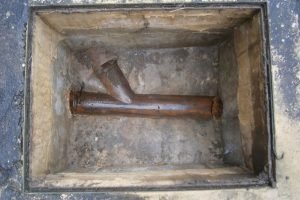 There are a number of defects on the drainage system that could lead to rats accessing our homes such as:
- Pipes collapsing through subsidence which allows rats to dig out of the drain and access the cavities of the house by digging under/through the foundations
- Pipes coming apart and leaving gaps that enable rats to exit the drainage system
- Elbow joints on soil pipes becoming detached and allowing rats access
These are just a few examples of how rats can utilise drainage faults to cause an infestation in our homes. Although a collapse might cause other issues such as blockages and alert the householder to a drainage fault, the majority of cases where we at Kestrel Pest Management find an issue, the householder is totally unaware as there are no alerting symptoms of a defect.
How do I find out if a drainage fault is allowing rats into my house?
There are a number of ways that allow us to determine defective drainage which are:
- Considering the history of the property and if it is intermittently having rat infestations despite being treated and other proofing issues being rectified. This would then lead us to suspect the drainage system
- A visual inspection of the drainage system – looking down inspection chambers to see if there is any evidence of rat activity or defective drainage
- Test baiting the system to determine rat activity
- Carrying out a smoke test to check the integrity of the system
- Arranging a camera test to visually test the system
What can be done if a drainage fault is found?
- An eradication programme using rodenticides/traps will be put in place to eradicate the rats in the house and in the drainage system
- A repair to the defect can be undertaken if accessible
- A one way non-return valve can be fitted to prevent rat access
At Kestrel Pest Management we have attended many jobs where the householder has had an ongoing rat issue and has never found the access point when attending a rat control callout. Our philosophy is not just to eradicate the pest in question but to look at how and why the pest became an issue in the first place. This holistic approach to pest control gives a longer term solution to the pest issues we face in our homes and businesses.