Wasp Control in Doncaster
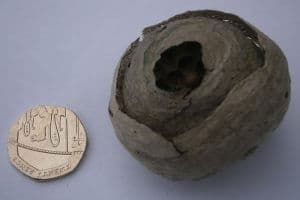
Without doubt, the number one pest that we are asked to deal with are wasps. They form their nests in a variety of nooks and crannies such as air bricks, lofts, garages, sheds, porches, dormer windows; the list is endless. During the Spring the queen wakes up after hibernating during the colder Winter months. She will initially feed herself up before choosing a location to construct a nest. The initial construction is a small ball the size of a golf ball. Within nest there are about 20 cells where the queen will deposit an egg in each. These eggs soon hatch into larvae and will pupate to become the first workers of the new nest | Wasp control.
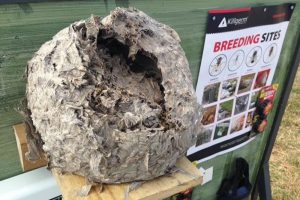
These workers, which are sterile females, take over the duties of foraging, nest construction, defence and tending eggs and larvae. The queens only job then is to lay eggs, which are tended for by the workers. This stage sees a rapid increase in nest size and thus wasp numbers. The workers will travel considerable distances to collect food for the nest which comprises of a variety of insects and invertebrates which will have their wings and hard structures removed before being transported back to the nest. The workers will also collect chewed wood which is mixed with saliva to construct, expand and repair the nest. They will source the wood from items such as fences, trees and garden furniture. A multicoloured striped effect can often be seen on the nest, where wasps have been collecting their wood from various structures. This gives the nest a stripey green, red or brown colour.
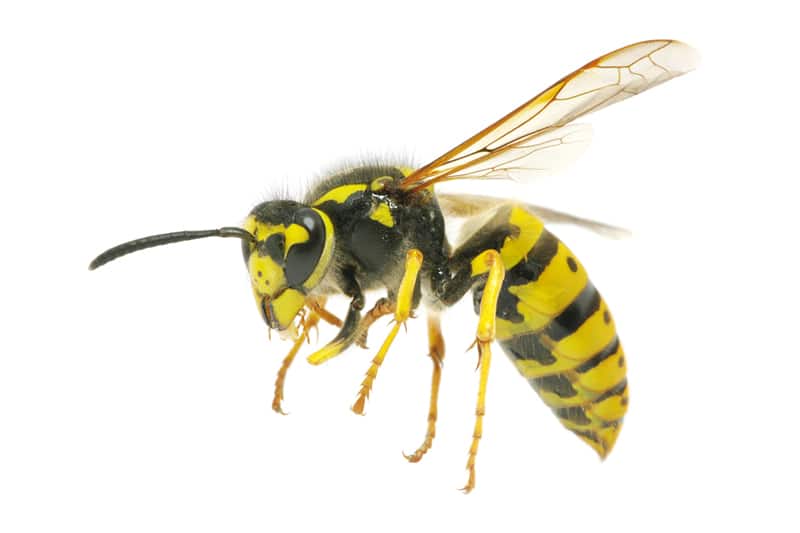
The wasps defensive behaviour is what causes people to have an instinctive dislike of wasps. If the nest is perceived to be under threat, the workers will soon defend their nest by dive bombing and stinging. When the worker stings, this releases a pheromone that stimulates other wasps to go in to attack mode. Unlike honey bees the wasp sting is not barbed so they can sting multiple times without detrimental effects to themselves. So when we are innocently getting the mower out of the shed or storing items in our lofts, the wasps will see this as a threat.
As the Summer develops and the nest reaches its optimum size, the queen then produces batches of male and female wasps. As these emerge it signifies a slow deterioration of the nest. The workers which have been busy on construction and foraging are now free to feed themselves and it is sweet sugary things that are most attractive to them. At this time wasps will cause real problems in gardens, houses, factories, pubs, fairs, parks, where they sense sweet sugary drinks and foods.
 As the temperature drops during Autumn the worker wasps, queen, and males start to die off. However, the newly mated females which will become next years queens will feed themselves up and look for an hibernation site to spend the Winter. This could be in lofts, garages, wall cavities, under bark etc. Then when the temperatures increase in Spring the whole life cycle starts again.
At Kestrel Pest Management we employ a range of techniques and equipment to treat wasps nests.